
Rebuilding Trust After Betrayal in Gay Male Couples
Jun 13, 2026
Attachment theory helps explain why many gay men experience intense dynamics around closeness and distance in relationships. Understanding attachment styles in gay men, including anxious attachment and avoidant attachment, can help individuals break painful cycles and build more secure, fulfilling partnerships.
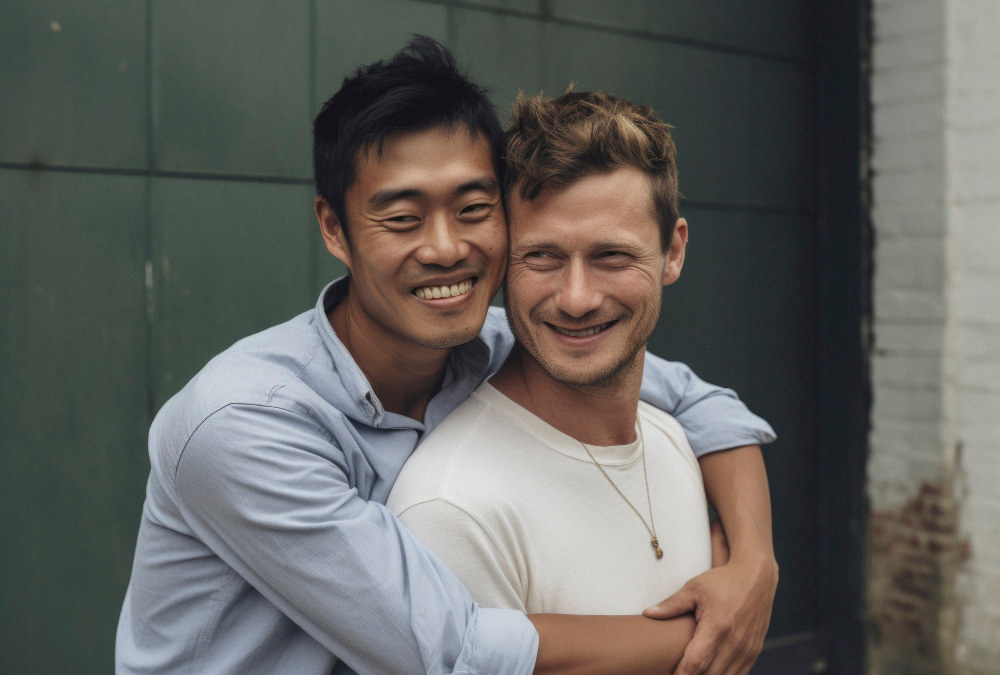
Romantic relationships often stir up powerful emotions—but for many gay men, intimacy can feel especially charged. Questions like “Why do I panic when someone pulls away?” or “Why do I shut down when someone gets too close?” are common.
Understanding attachment styles in gay men can help explain these patterns. Attachment theory, originally developed by John Bowlby and later expanded by Mary Ainsworth, describes how early relational experiences shape the way we connect with others in adulthood.
For many gay men, attachment patterns are influenced not only by childhood experiences but also by minority stress, stigma, and the challenges of forming identity within a heteronormative world.
What Are Attachment Styles?
Attachment styles are emotional strategies we develop to feel safe and connected in relationships. They shape how we respond to closeness, conflict, and vulnerability.
The main styles commonly discussed in attachment styles for gay men include:
While anyone can have any style, certain patterns—particularly anxious attachment in gay men and avoidant attachment in gay men—appear frequently in therapy and relationship research.
Anxious Attachment in Gay Men
Men with anxious attachment tend to crave closeness and also fear abandonment. Relationships can feel emotionally intense because reassurance becomes very important.
Common signs of anxious attachment in gay men include:
Many gay men with anxious attachment describe feeling like they are “too much” or “too needy,” even when their desire for connection is completely human.
For some gay men, anxious attachment develops through experiences of conditional acceptance and early rejection. Many grow up sensing that approval from family, peers, or community is dependent on hiding or suppressing their authentic identity. When a person learns early that belonging can be withdrawn, it can create a lasting sensitivity to emotional distance.
Later dating experiences can reinforce this pattern. Environments that emphasize appearance, fast judgments, or inconsistent communication may heighten fears of abandonment, making even small shifts in attention feel like signs of rejection. Over time, these experiences can deepen the anxious attachment patterns some gay men bring into relationships.
Avoidant Attachment in Gay Men
While some men fear abandonment, others cope with vulnerability by distancing from it.
Avoidant attachment in gay men often appears as emotional independence taken to an extreme. These men may value autonomy but feel uncomfortable when relationships require deeper emotional closeness.
Signs of avoidant attachment gay men may include:
· Feeling overwhelmed when partners want emotional intimacy
· Pulling away when relationships become serious
· Preferring casual or undefined relationships
· Minimizing emotional needs
· Struggling to express vulnerability
Partners may perceive avoidant individuals as detached or unavailable, even when they care deeply.
Avoidant attachment often forms when vulnerability has felt unsafe or risky. For many gay men, early experiences may teach them that showing their authentic self could lead to rejection, ridicule, or exclusion. Bullying, social isolation, or growing up in environments where emotions were dismissed or discouraged can reinforce the idea that it is safer to keep feelings private.
As adults, certain dating environments may unintentionally strengthen this pattern, especially when emotional detachment, independence, or casual connection is subtly rewarded. Over time, distancing from vulnerability becomes a protective strategy. The underlying message becomes: if I don’t rely on anyone too deeply, I can’t be hurt.
One of the most common dynamics in attachment styles in gay male relationships is the anxious–avoidant pairing.
In this dynamic:
· The anxious partner seeks reassurance and closeness.
· The avoidant partner feels pressured and withdraws.
· The withdrawal intensifies the anxious partner’s fear.
· The cycle escalates.
Neither partner is “wrong.” They are simply protecting themselves in different ways.
The good news is that attachment styles are not fixed. With awareness and emotional work, many gay men gradually move toward secure attachment. This shift often involves becoming more comfortable with both intimacy and independence, learning to communicate needs directly, and developing trust that relationships can remain stable even when conflict or distance arises.
Secure attachment also allows someone to stay emotionally responsive without losing themselves in the relationship. Instead of reacting from fear of abandonment or fear of closeness, people with greater attachment security can remain present, express vulnerability, and maintain a sense of self while staying connected to their partner.
Ways to build security include:
1. Recognizing your patterns
Understanding your attachment style is the first step toward changing it.
2. Developing emotional literacy
Learning to name feelings and needs reduces reactive behavior.
3. Practicing direct communication
Clear requests are healthier than protest behaviors or withdrawal.
4. Choosing emotionally available partners
Secure relationships reinforce secure patterns.
5. Therapy or relationship coaching
Attachment-focused therapy can help rewire relational habits.
Gay male relationships often carry unique pressures—identity development, minority stress, and smaller dating pools. These factors can amplify attachment patterns.
Understanding attachment styles gay men experience can help individuals:
· Break repetitive relationship cycles
· Develop deeper emotional intimacy
· Reduce anxiety around dating
· Build healthier, more secure partnerships
Most importantly, it reframes relationship struggles not as personal flaws, but as understandable adaptations to past experiences.
With awareness, compassion, and intentional work, many gay men move toward relationships that feel calmer, safer, and more deeply connected.